#1 Printing Press in Dubai – Veesham Printing Press

Chocolate Box Packaging: Partitions, Materials and Food-Safe Printing

For chocolate, choose a rigid or food-board box with a fitted partition, a barrier wherever chocolate touches the board, and inks, coatings, and adhesives confirmed safe for food contact. The partition holds each piece in place, the board protects the shape, and the printing is planned around what touches the food. Here is how to decide each one.
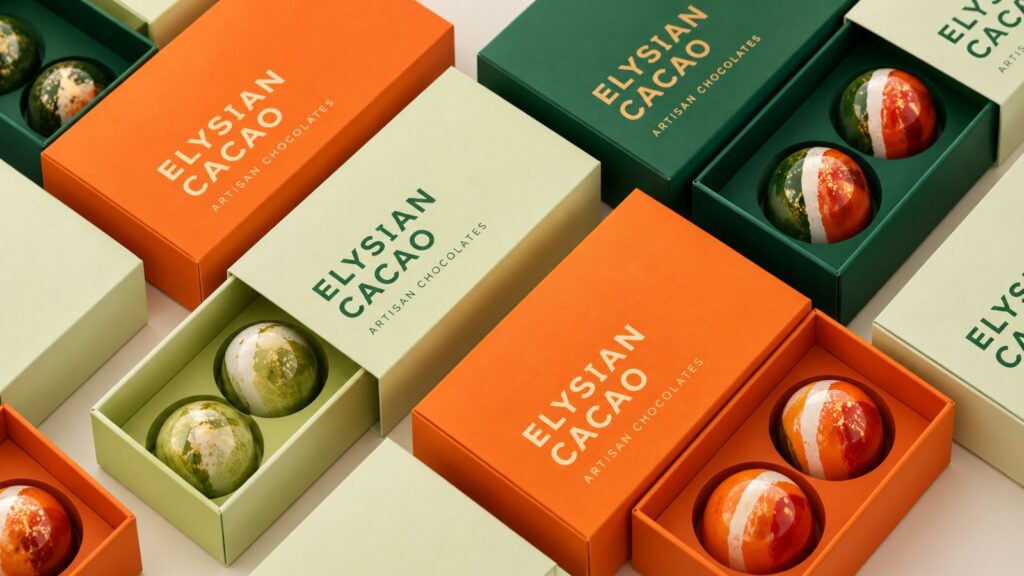
Orange and green premium chocolate boxes with round die cut

Paperboard Dividers

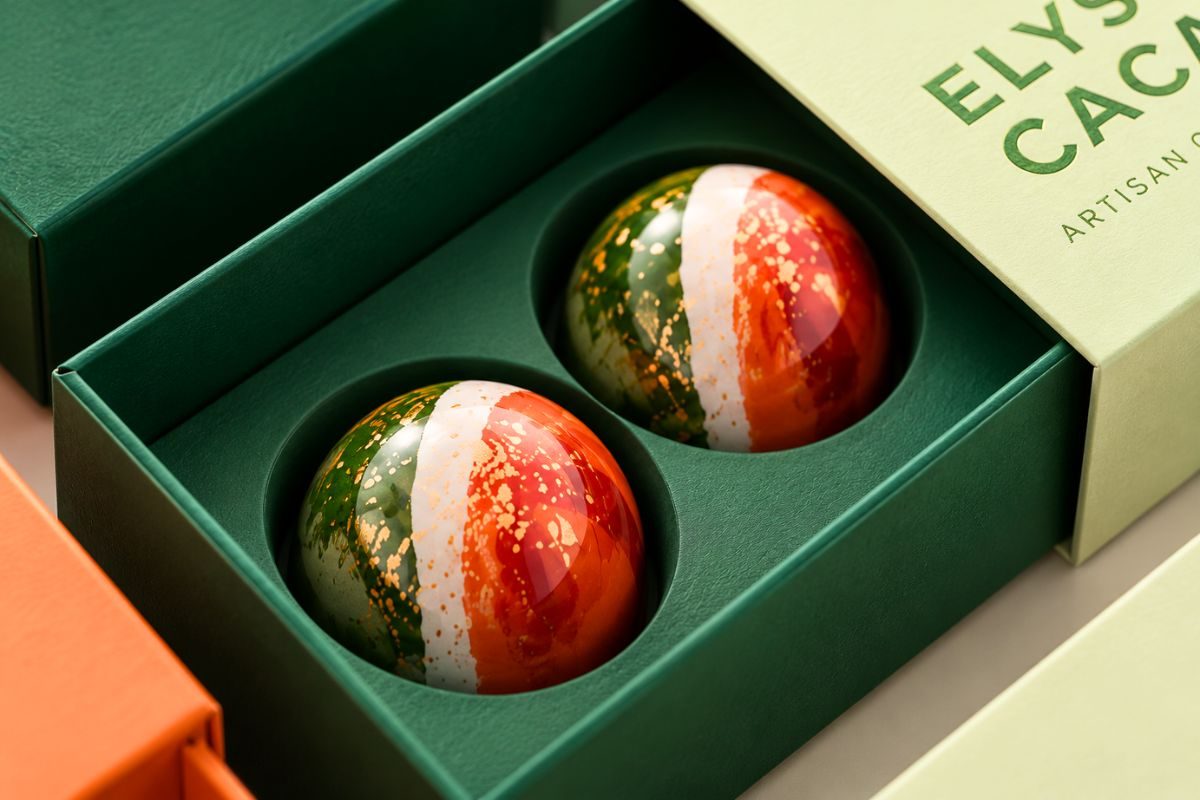
A die-cut paperboard partition is the most common choice for assorted chocolates. It is cut to the exact cavity sizes, so each truffle or square sits in its own slot and cannot slide into its neighbour. Our chocolate box range includes partitioned boxes in several structures.

Molded Trays and Fitted Inserts

Molded pulp, plastic, and velvet-lined trays suit irregular shapes, such as filled pralines or pieces with decorations on top. Foam inserts protect delicate items, but check whether the material is suitable for food contact before it sits against unwrapped chocolate.

Cavity Size and Depth

Measure your actual chocolates before the partition is cut. A cavity that is too loose lets pieces slide, and one that is too tight scuffs the surface or tears a wrapper. Depth matters as much as width, since the lid should close without touching the tallest piece.
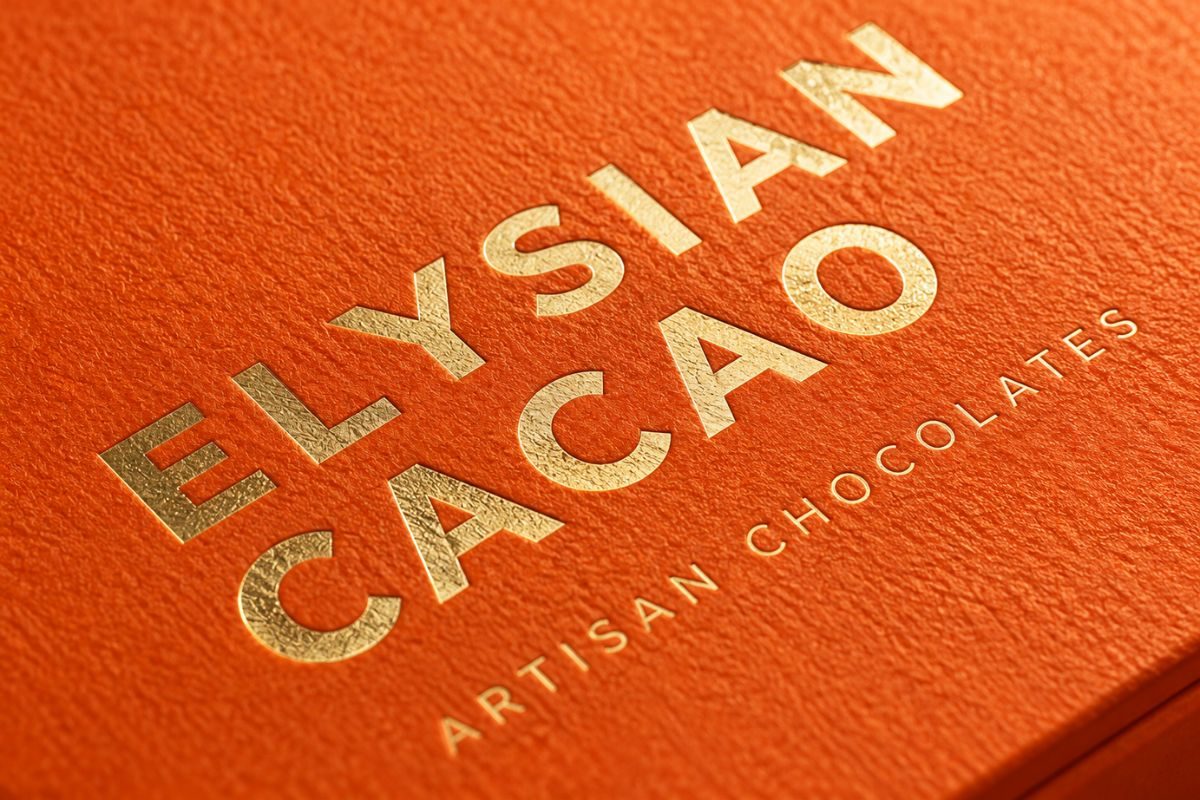
Closeup of premium orange textured paper with gold foiling used for chocolate packaging

2. Materials: Board, Liners, and Structure

Rigid Board for Gifting

Rigid board gives a chocolate box its weight and shape, which is why it suits gift assortments. A lid-and-base structure, a drawer box, or a top-and-bottom box all work well. The thick walls also protect the pieces from knocks in a bag or a car.

Food Board and Folding Cartons

Food board suits lighter products such as chocolate bars, small assortments, and retail packs. It is thinner than rigid board and prints well. Ask your printer to confirm the board is intended for food contact, since not every paperboard is.

Liners and Barriers

Chocolate carries cocoa butter, which can leave grease marks on bare board over time. A greaseproof liner or a barrier coating on the board keeps the box clean. Plastic-based coatings protect well but make recycling harder, so choose according to how the box will be used.

Planning for Dubai’s Heat

Chocolate softens at temperatures Dubai reaches for much of the year. A box cannot keep chocolate cool on its own, but snug cavities, a liner, and a rigid structure reduce scuffing and grease marks when pieces soften slightly. For deliveries, add an insulated bag or cool pack and tell customers to keep the box out of the sun.
Food safe inner partition trays for chocolate boxes in premium green textured paper

3. Food-Safe Printing: What to Ask Your Printer

Which Surfaces Touch the Chocolate

Start by mapping what touches the food. If each chocolate is wrapped, or sits on a food-safe liner, the food-contact requirements apply mainly to that wrapper or liner. If the chocolate touches the board directly, the board, coating, ink, and adhesive all matter.

Inks, Coatings, and Adhesives

Decorative finishes belong on the outside of the box. Foil stamping and UV coating look striking on a lid, and keeping them off the interior contact surface avoids questions about food contact. Where the interior must be printed, ask for inks and adhesives suitable for food contact.

Documents to Request

Ask your supplier for a declaration of compliance for the board, coating, ink, and adhesive. Where chocolate touches the surface, also ask for a migration test report. Dubai Municipality’s food code says packaging materials should not endanger the safety of the food, and that chemicals should not migrate from packaging into it. Requirements vary with the material and how the chocolate sits in the box, so confirm the details for your product.

Sample First, Then Order Early

Ask for a physical sample or mock-up and test it with your real chocolates. Fit and depth are easy to misjudge on paper, and a sample costs far less than a full run that does not close properly. Our rigid luxury boxes typically start at 100 to 500 pieces.

Ramadan and Eid are busy gifting periods for chocolate and dates boxes, so leave time for a sample, a proof, and production.

What This Means for Your Brand

A chocolate box is judged twice: first on how it looks, then on whether the chocolates inside arrived whole. The structure and partition decide the second, and the finish and branding decide the first. Specify the food-contact parts properly and keep the decorative finishes on the outside, and you protect both the product and your reputation.

Planning chocolate packaging? Explore Veesham’s chocolate box printing or get in touch and we will help you choose the structure, partition, and finish.

Frequently Asked Questions

Only the surfaces that touch the chocolate need food-contact materials. If each piece is wrapped or sits on a food-safe liner, the requirement focuses on that wrapper or liner. Confirm the specifics with your supplier.
A die-cut paperboard partition suits most assortments because it is cut to your exact cavity sizes. Molded or fitted trays suit irregular shapes or decorated pieces.
Yes, on exterior surfaces such as the lid. Keep decorative finishes away from areas where chocolate sits directly unless the materials are confirmed for food contact.
The box alone cannot, but a liner, snug cavities, and a rigid structure limit damage. Add an insulated bag or cool pack for deliveries and keep the box out of direct sun.

Leave a Comment

Your email address will not be published. Required fields are marked *

Scroll to Top