
There’s no single number that answers “how much do business cards cost in Dubai,” because the honest answer depends on choices you haven’t made yet. Paper, finish, and quantity all move the price in different directions. This breaks down exactly what drives the cost up or down, so you can budget with a clearer picture before you ask for a quote.
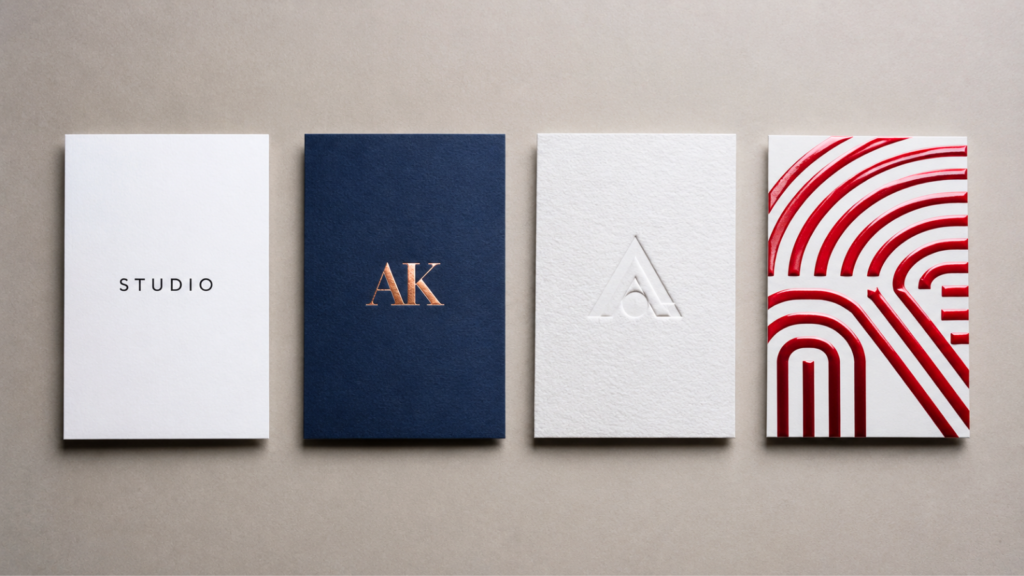
Table of Contents
TogglePaper Stock Is Where the Price Starts
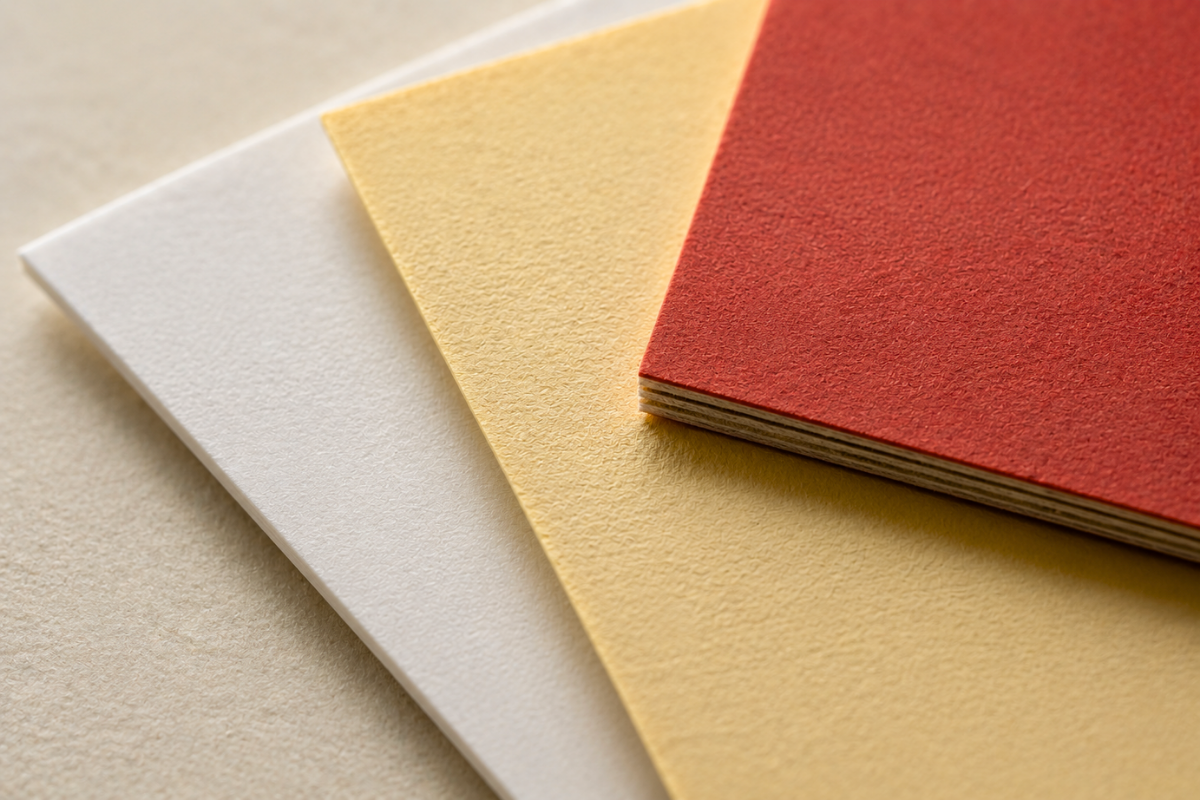
Standard art card stock sits at the lower end, while premium papers like cotton, textured, or triplex board cost more per card. Thicker stock, measured in GSM, also pushes the price up since it uses more material and often runs slower through the press. If budget is a concern, paper is usually the first variable worth adjusting before touching finishes or quantity.
Finishes Add Up Fast
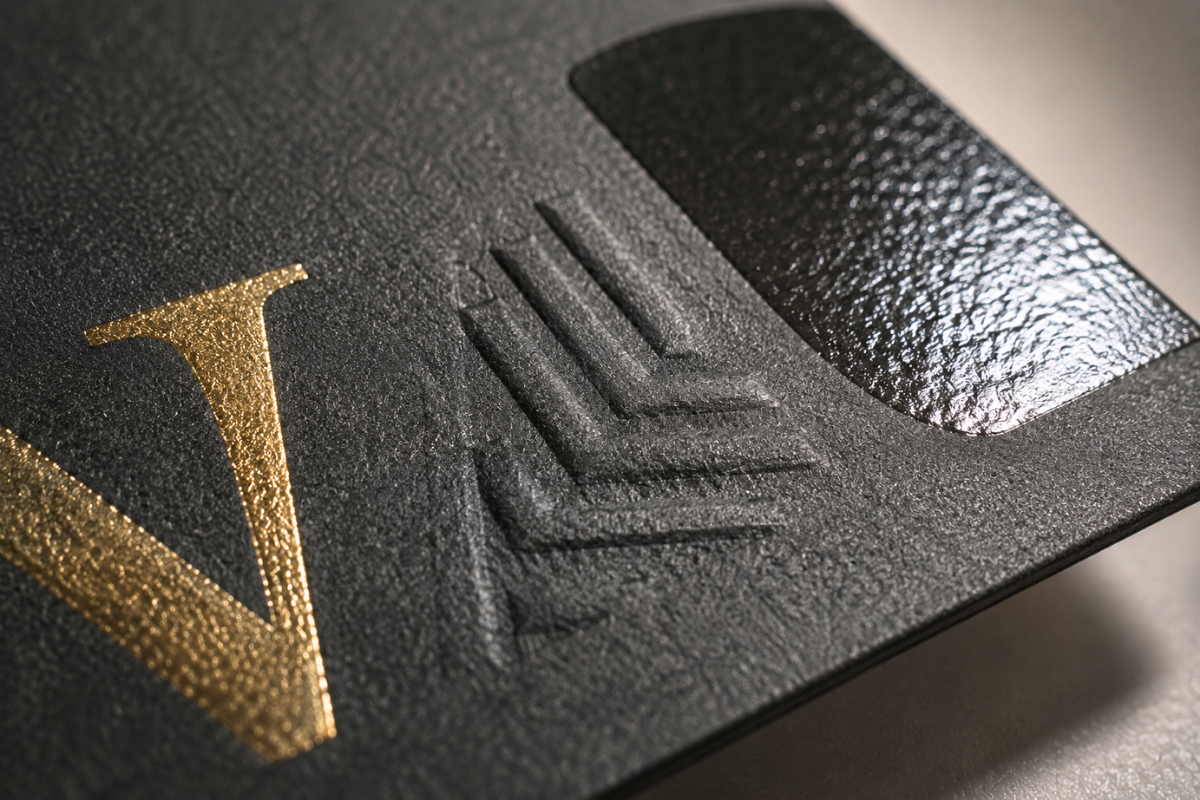
A plain single-color print sits at one end, and a card with gold foiling, embossing, or spot UV sits well above it. Each finish is essentially a separate production step, so stacking two or three of them on one card multiplies the cost rather than adding a flat fee. It’s worth deciding which single finish matters most to your brand rather than defaulting to every option available.
Quantity Changes the Per-Card Price, Not Just the Total
Printing cost doesn’t scale in a straight line. A short run of 100 cards costs more per card than a run of 1,000, because setup costs get spread across fewer pieces. If you reorder frequently in small batches, it’s often cheaper over a year to print a larger batch once and store the extra.
Card Shape and Size Matter More Than You'd Expect
A standard rectangular card is the cheapest to produce since it needs no custom die-cutting. Rounded corners, unique shapes, or oversized cards all require an extra cutting step, which adds to the cost. If shape isn’t central to your brand identity, sticking to standard dimensions is an easy way to keep the price down.
Design Complexity Plays a Small but Real Role
A single-color, simple design prints faster and cheaper than a full-bleed, multi-color design with fine detail. This isn’t usually the biggest cost driver, but it does factor in, especially with offset printing where more color plates mean more setup time.
Single-Sided vs. Double-Sided Printing
Printing only the front costs less than printing both sides. Double-sided is standard for most businesses now since it lets you fit a logo, QR code, or secondary detail on the back, but it’s worth knowing this is an active cost decision, not a given.
Rush Orders Cost More
If you need cards within 24-48 hours instead of the standard turnaround, expect a rush fee. Presses often need to reprioritize their production queue to fit an urgent job in, and that comes at a premium. Planning even a week ahead avoids this entirely.
What This Means for Your Brand
There’s no shortcut to an exact number without specifying your paper, finish, quantity, and shape together, since each one shifts the price independently. The better approach is deciding which of these actually matters for your brand (a premium finish, a unique shape, a larger run) and being flexible on the rest, rather than chasing the lowest number across every variable at once.
Frequently Asked Questions
What's the cheapest way to print business cards in Dubai?
Standard paper stock, a common rectangular shape, single-color design, and a larger print quantity together bring the per-card cost down the most.
Do finishes really make a big difference in cost?
Yes, each finish (foiling, UV, embossing, lamination) is a separate production step, so combining several finishes raises the price more than people expect.
Is it cheaper to order business cards in bulk?
Usually yes per card, since setup costs get spread across more pieces, though the total upfront spend is higher.