
Dubai has no shortage of printing presses, which is exactly the problem. A quick search turns up dozens of options, and most of their websites say roughly the same thing. This checklist walks through what actually separates a reliable press from one that’ll leave you re-ordering business cards three times before they get the color right.
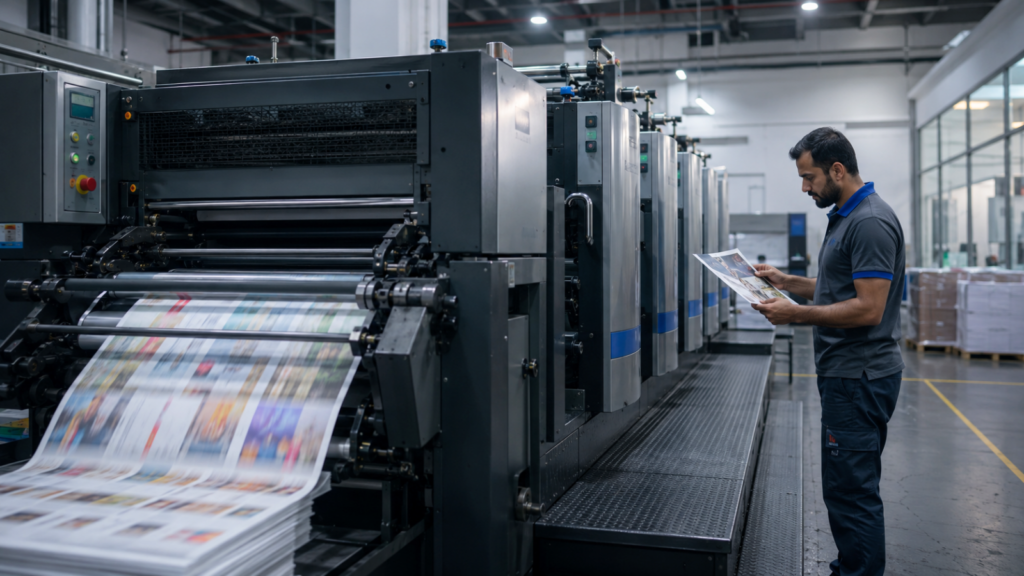
Table of Contents
ToggleBefore You Start Comparing Presses
Know What You're Actually Printing First
Before comparing presses, get specific about your own job. A press that’s excellent at large-format banners isn’t necessarily the one you want for a wedding invitation run on cotton stock. Write down your product, your quantity, your paper or material preference, and your deadline. Once you have that on paper, you can filter presses by whether they actually handle that category rather than judging everyone on the same generic checklist.
Check Their Equipment and Print Method
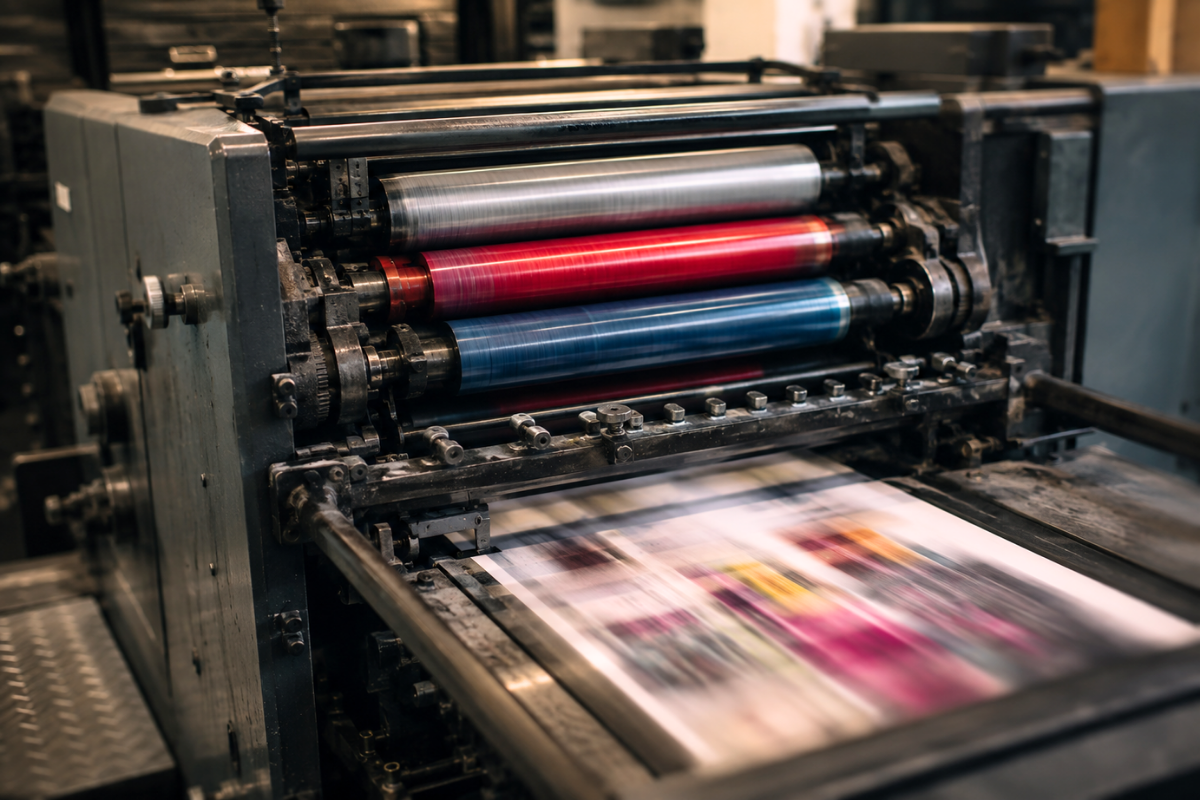
Ask directly whether a press runs offset printing, digital, or both, and for which jobs. Offset tends to win on large runs and exact Pantone matching, digital wins on speed and short runs. A press that only offers one method will often push you toward it regardless of whether it’s the right fit for your job, so ask the question before you get a quote, not after.
What to Verify Before You Commit
Ask to See Real Samples, Not Just a Portfolio Page
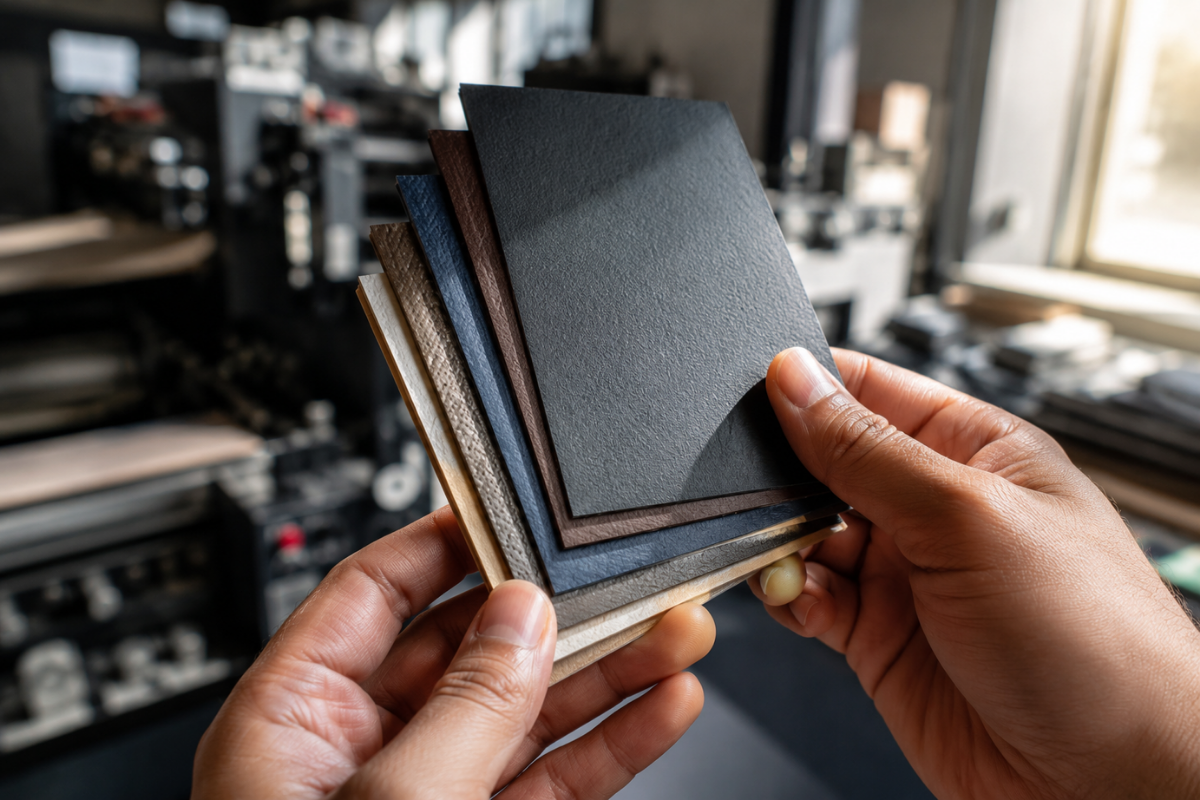
A polished website gallery tells you what a press can design, not what they can actually print at scale. Ask to hold a finished sample in your hand, check the paper weight, the color accuracy, and how a laminated or foiled finish actually feels. If a press hesitates to hand you a physical sample, that’s worth noting.
Look at Their Finishing Capabilities
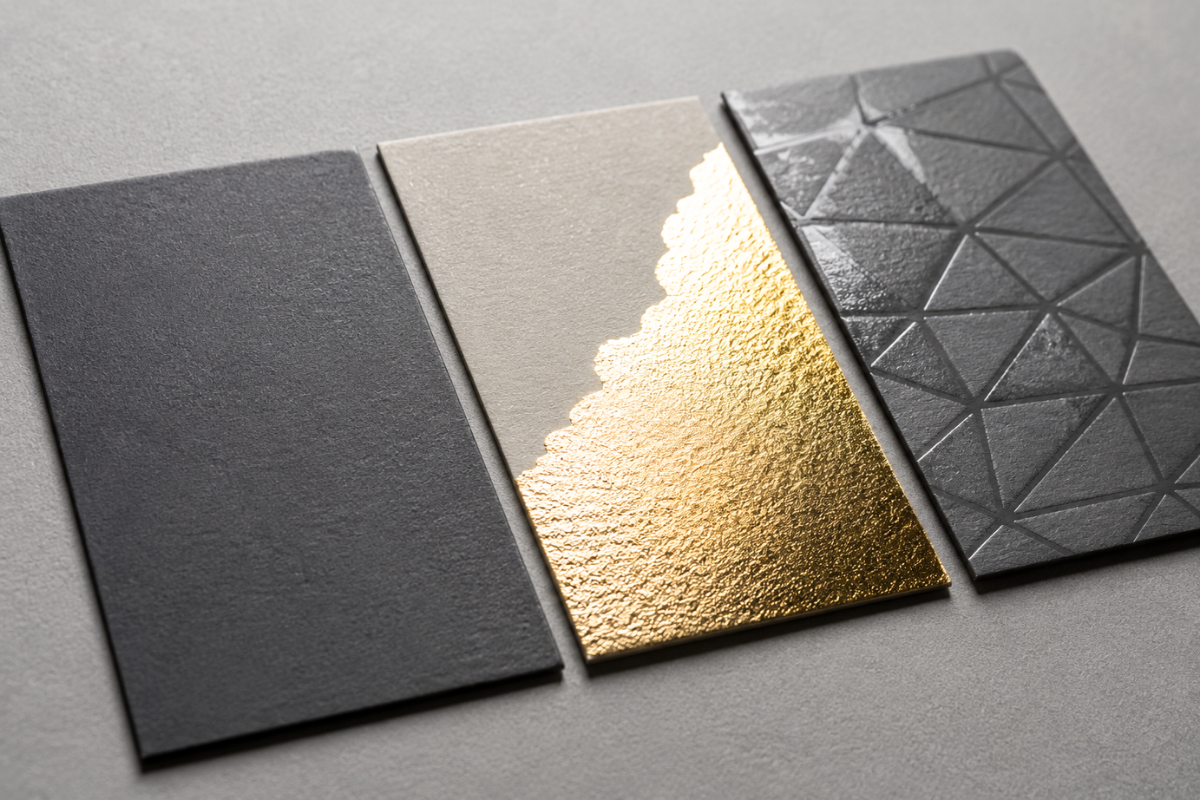
Finishing is where a lot of presses fall short even if the base printing is fine. Ask specifically about their lamination options, foiling capabilities, and whether they handle die-cutting or embossing in-house or outsource it. In-house finishing usually means faster turnaround and fewer handoffs where something can go wrong.
Confirm File Requirements Before You Commit
A press that explains file setup clearly, bleed, resolution, color mode, before you send artwork is signaling they’ve dealt with this before and want the job to go smoothly. If you’re unsure how to prepare your own files for printing, a good press will walk you through it rather than just rejecting a file and leaving you to guess what went wrong.
Comparing Quotes and Logistics
Get Clarity on Turnaround Time, Not Just Price
The cheapest quote isn’t useful if it takes three weeks longer than you have. Ask for a written timeline tied to your actual quantity and finish, not a generic “3-5 business days” that every press seems to quote by default. If you’re on a deadline, ask what happens if something goes wrong mid-print, some presses build in a buffer, others don’t.
Compare Pricing Transparency, Not Just the Number
Get an itemized quote, not a single lump figure. You want to see the cost of the base material, the print run, and each finish broken out separately, so you can adjust one variable without re-quoting the whole job. A press that resists breaking down pricing is usually one where the final invoice ends up higher than expected.
Weigh Location and Communication
If you’ll need to drop in for color checks or pick up urgent runs, a press based somewhere convenient matters more than it seems at first. Also pay attention to how quickly they respond to your initial enquiry, that’s usually a preview of how responsive they’ll be once you’re mid-project and something needs adjusting.
What This Means for Your Brand
The right printing press isn’t just a vendor, it’s the difference between packaging or marketing material that represents your brand well and material that quietly undercuts it. A few extra questions upfront, about equipment, samples, and pricing transparency, save you from reprints, missed deadlines, and colors that don’t match what you approved.
Frequently Asked Questions
How do I know if a press specializes in what I need?
Ask for samples in your specific product category, business cards, packaging, or large format, rather than judging from a general portfolio.
Should I choose offset or digital printing?
Offset suits large runs and precise color matching, digital suits smaller runs and faster turnaround. A good press should explain which fits your job rather than pushing one method by default.
What's a reasonable turnaround time to expect?
It depends on quantity and finish, but ask for a written estimate tied to your exact order rather than a generic range.