
More customers in Dubai now notice the bag as much as what’s inside it, and a flimsy plastic-lined carrier can undercut a brand faster than people expect. Switching to eco-friendly paper bags isn’t just a sustainability move anymore, it’s become part of how a business presents itself at the point of sale. Here’s how to choose the right material, weight, and handle type for what you’re actually carrying.
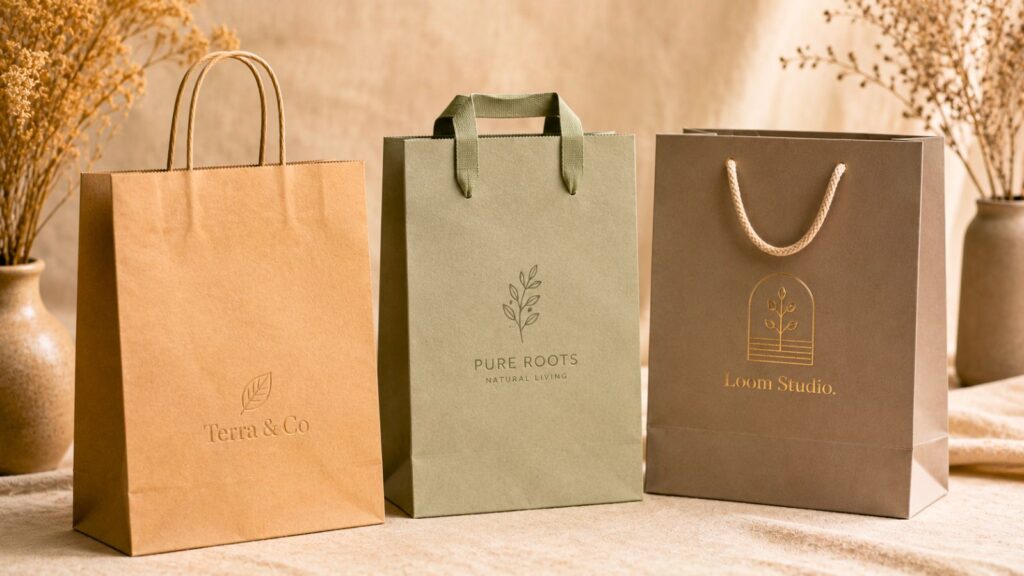
Table of Contents
ToggleMaterial Choices for Eco-Friendly Bags
Kraft Paper for Everyday Retail Use
Kraft is the most common eco-friendly base, and for good reason, it’s sturdy, widely recyclable, and takes foiling or spot UV well if you want a premium look without moving to a coated material. For most retail, food, and gift shops, kraft covers the bulk of everyday carrying needs without adding unnecessary cost.
Recycled Paper Stock for a Lower Environmental Footprint
Recycled paper stock goes a step further than virgin kraft, using post-consumer fiber rather than fresh pulp. It carries a slightly rougher, more textured look, which some brands lean into deliberately rather than treating it as a compromise. If sustainability messaging is central to your brand, this texture can actually work in your favor rather than against it.
Non-Woven Fabric Bags for Reusable Positioning
Non-woven bags sit slightly outside the paper category but often get grouped with eco-friendly packaging since they’re built for repeat use rather than single-trip disposal. They cost more per unit than paper, but if your brand wants to push a “carry it again” message, a sturdier reusable bag does that more convincingly than a paper bag ever will.
Choosing the Right Paper Weight
Light Weight for Small, Low-Item Bags
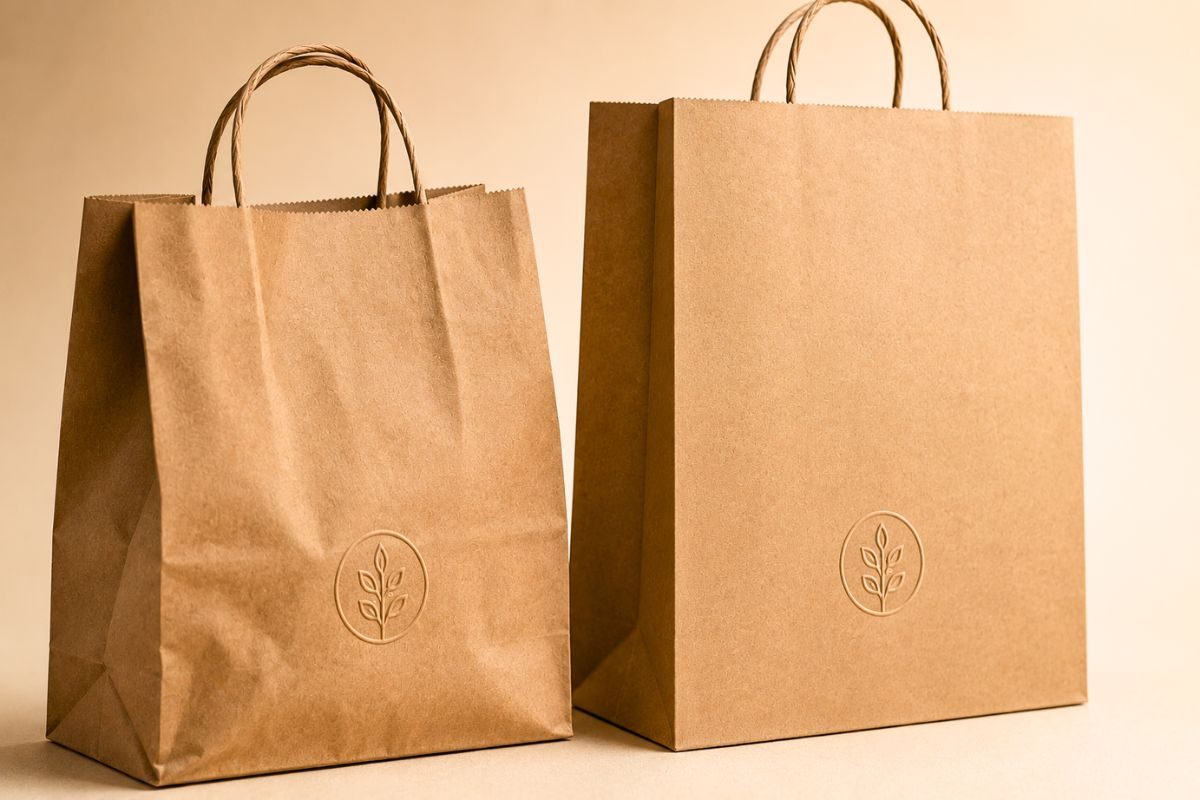
A lighter paper weight suits small retail bags, boutique purchases, or single-item takeaways where the bag isn’t holding much beyond a small box or a folded item. Going too light for a heavier product risks tearing at the handle attachment point, which is the most common failure spot on any paper bag.
Heavier Weight for Food, Bakery, or Multi-Item Use
Anything carrying food, drinks, or multiple items needs a heavier paper weight to handle both the load and, in food cases, occasional moisture. A bag that’s visibly straining under normal use reflects poorly on the brand printed on it, regardless of how good the print itself looks.
Handle Options and What They Signal
Twisted Paper Handles for a Classic, Affordable Look
Twisted handles are the most common option and the most budget-friendly, they work well across almost every bag size and hold up reliably under moderate weight. They read as clean and standard rather than making a strong style statement either way.
Flat Paper Handles for a Structured, Premium Feel
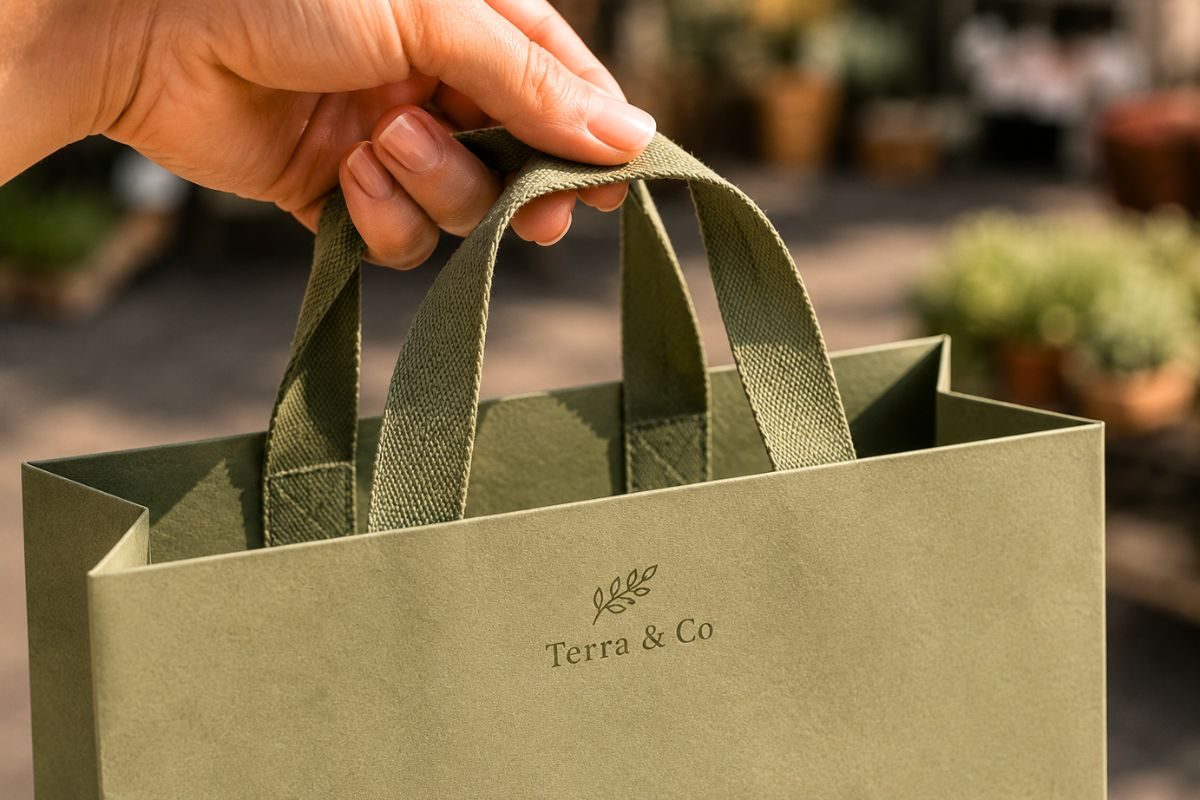
Flat handles give a bag a more architectural, structured look and tend to suit fashion, cosmetic, or lifestyle brands going for a cleaner aesthetic. They distribute weight slightly differently than twisted handles, which matters for wider or heavier bags where a flat handle can feel more secure in hand.
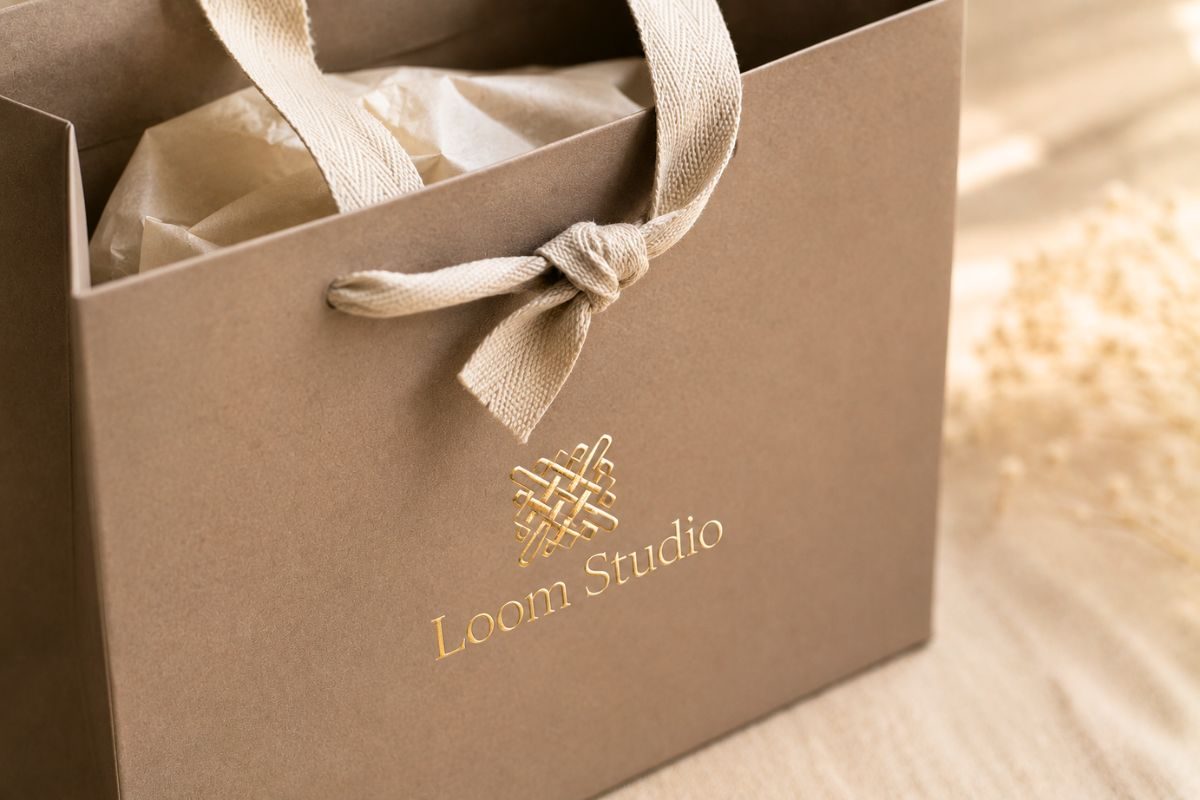
Ribbon or cotton cord handles push a bag further toward gift or boutique positioning. They’re not the most load-bearing option, so they suit lighter retail or gifting use rather than bakery or grocery bags, but the tactile upgrade is noticeable the moment someone picks the bag up.
Printing and Finish Considerations
A bag that gets handled roughly, market shopping, food pickup, benefits from a simple one or two-color print rather than a delicate foiled finish that won’t survive daily wear. Save foiling, embossing, or spot UV detail for retail or gifting bags that get handled more carefully and often get reused as part of the unboxing moment.
A single well-placed logo on a natural kraft or recycled base often reads as more considered than a fully printed bag covering every inch of surface. This also happens to be the more cost-effective choice, since full-coverage printing on paper bags adds meaningfully to unit cost at scale.
What This Means for Your Brand
The right eco-friendly bag depends less on picking “the sustainable option” and more on matching material weight and handle type to what customers are actually going to carry and how they’ll carry it. A bag that tears or feels flimsy undercuts a sustainability message just as much as no sustainability effort at all, so build the practical choices first and let the finish follow from there.
Looking to build an eco-friendly bag around your product’s actual weight and handling needs? Explore Veesham’s paper bag printing or get in touch for a custom quote.
Frequently Asked Questions
Are kraft paper bags actually more eco-friendly than plastic-lined bags?
Yes, kraft and recycled paper bags are generally more biodegradable and widely recyclable compared to plastic-lined or laminated alternatives.
What handle type holds the most weight?
Twisted paper handles generally handle moderate to heavier loads better than ribbon or cord handles, which suit lighter retail or gift use.
Can eco-friendly paper bags still look premium?
Yes, a kraft or recycled base paired with a single foiled detail or spot UV accent keeps a premium feel while staying sustainable at the material level.
Do I need different paper weights for different products?
Yes, lighter weights suit small retail items, while food, bakery, or multi-item bags need heavier stock to avoid tearing at the handle point.