
Table of Contents
ToggleQuick Comparison at a Glance
| Kraft Paper Bags | Laminated Paper Bags | |
|---|---|---|
| Look and feel | Natural, rustic, unbleached | Smooth, glossy, premium |
| Durability and water resistance | Good strength, less moisture resistant | Higher resistance to moisture and wear |
| Print quality | Limited to 1-2 spot colors on brown stock | Supports full-color, vibrant printing |
| Recyclability | Widely recyclable and biodegradable | Harder to recycle, plastic layer complicates separation |
| Cost | Lower | Higher |
1. Kraft Paper Bags
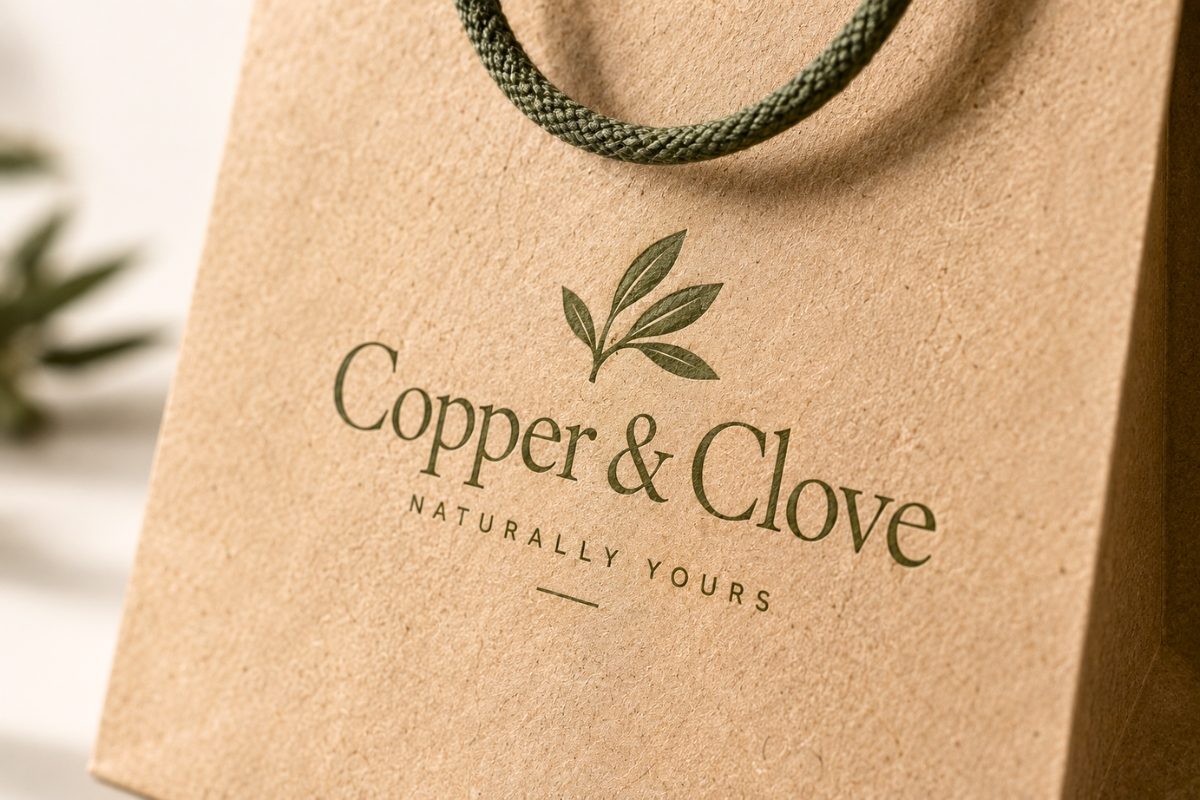
Kraft paper is made from wood pulp through a process that produces particularly high tensile strength, which is why kraft bags can carry heavier loads than many other paper types at a similar weight. The natural, unbleached brown finish has become closely associated with sustainable and artisan branding, which is part of why kraft dominates bakery, grocery, and eco-conscious retail packaging.
The trade-off shows up in printing and finish. Full-color designs don’t reproduce well on kraft’s brown background, most kraft bag printing is limited to one or two spot colors, or requires a white ink underlay that adds cost without always achieving a fully vibrant result. For brands that want a natural aesthetic anyway, this isn’t really a limitation, but it does rule kraft out for designs that depend on rich, photo-quality color.
2. Laminated Paper Bags
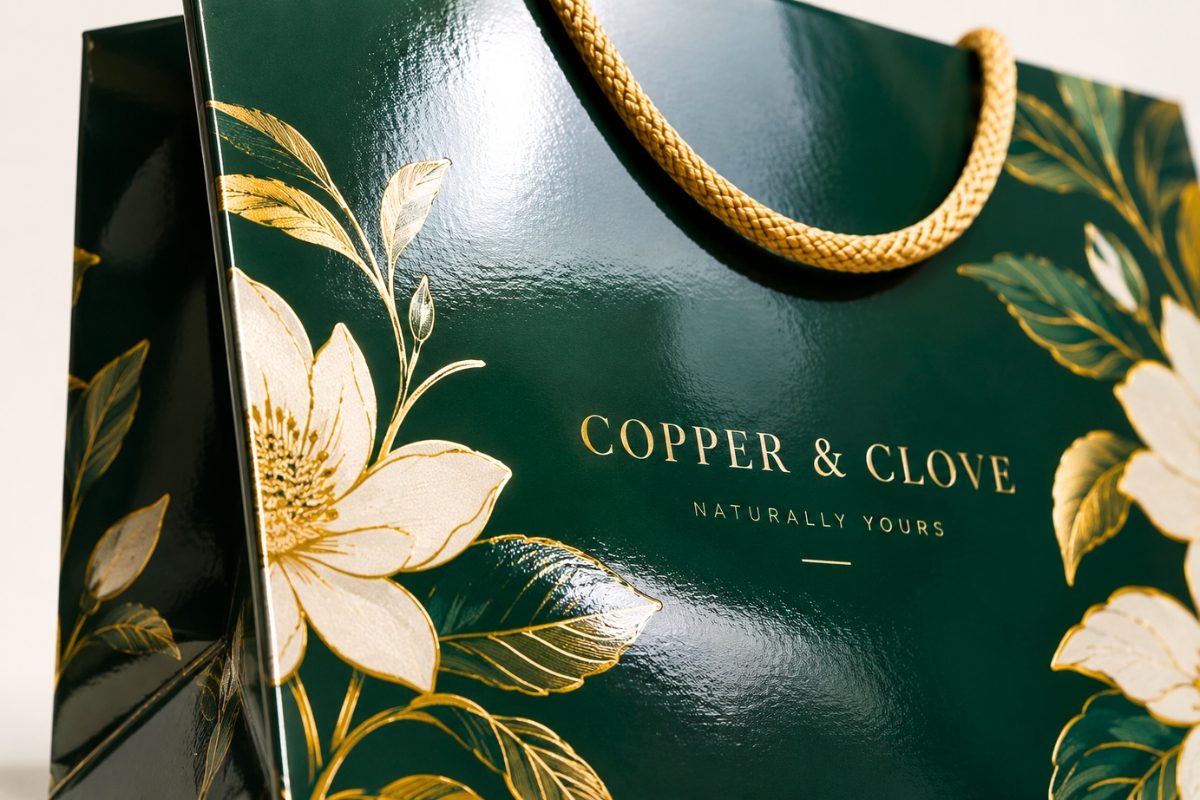
Laminated paper bags start with a paper base and add a thin plastic or glossy film layer on top, which gives a smoother texture, added water resistance, and a premium look that suits luxury retail and gift packaging. That coated surface also supports full-color, high-detail printing in a way plain kraft can’t match, making it the better choice when a design genuinely needs vibrant color or photographic detail.
The trade-off is sustainability. The paper substrate itself is recyclable in isolation, but the plastic laminate coating can’t be separated from the paper fibre during standard recycling processes, which makes laminated bags meaningfully harder to recycle than plain kraft. Some eco-laminated options exist with compostable or more easily recyclable coatings, but these need to be confirmed with your supplier rather than assumed.
Comparing Them on What Actually Matters
1. Durability and Moisture Resistance
2. Branding and Print Capability
3. Sustainability and Recyclability
4. Cost Considerations
What This Means for Your Brand
If your product needs a natural, sustainable positioning or you’re producing at volume where cost matters, kraft is the more sensible default. If your brand depends on rich color, a glossy premium feel, or your product needs real moisture protection, laminated is worth the extra cost and the sustainability trade-off. Our guide to lamination types and lamination vs varnish comparison go deeper into the coating options if laminated is the direction you’re leaning toward. If sustainability is central to your brand and you’re just exploring kraft’s material options more broadly, our eco-friendly paper bags guide covers additional kraft and recycled options in more depth.
Frequently Asked Questions
Can kraft paper bags be printed in full color?
Are laminated paper bags recyclable?
Which option is better for food packaging?
Laminated bags offer better moisture and grease resistance for food items, though food-safe kraft options with a thin coating exist as a middle ground if sustainability is also a priority.