
Table of Contents
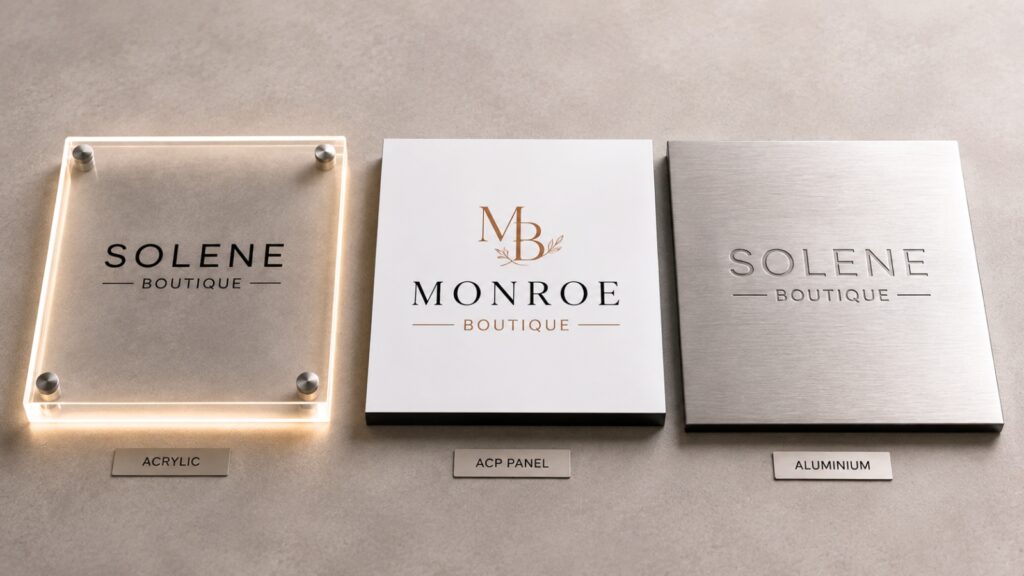
ToggleQuick Comparison at a Glance
| Acrylic | ACP | Solid Aluminium | |
|---|---|---|---|
| Best for | Indoor, illuminated signs | Outdoor storefronts, facades | Long-term outdoor, harsh weather |
| Typical lifespan | 5-10 years indoors | 10-20+ years outdoors | 15-25+ years outdoors |
| Weight | Light to moderate | Light, easy to install | Heavier, needs sturdier mounting |
| Cost | Moderate to high for custom shapes | Lower cost per sign | Highest upfront cost |
| Maintenance | Needs gentle cleaning, scratches easily | Low maintenance, wipes clean | Very low maintenance |
1. Acrylic
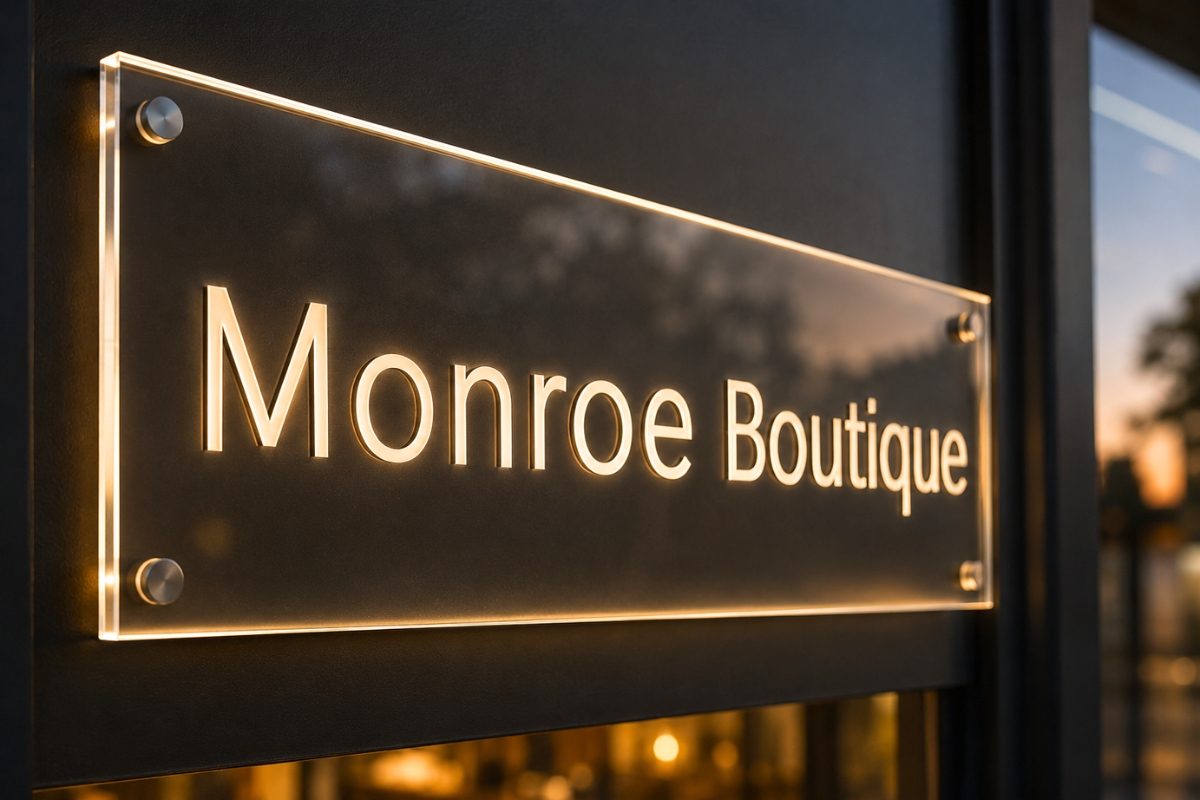
Acrylic is a clear or coloured plastic sheet, often called by its material name PMMA, prized for a glass-like, glossy finish that reads as premium and modern. It’s the material of choice for backlit or illuminated signage since light passes through it evenly, and it can be laser or CNC-cut into custom shapes more easily than metal-based options.
The trade-off is durability against physical wear, acrylic scratches more easily than ACP or aluminium and can warp under extreme heat if it’s mounted somewhere with prolonged direct sun exposure. It holds up well outdoors when paired with a UV-resistant coating, but it suits indoor or covered installations best without that extra step.
2. ACP (Aluminium Composite Panel)
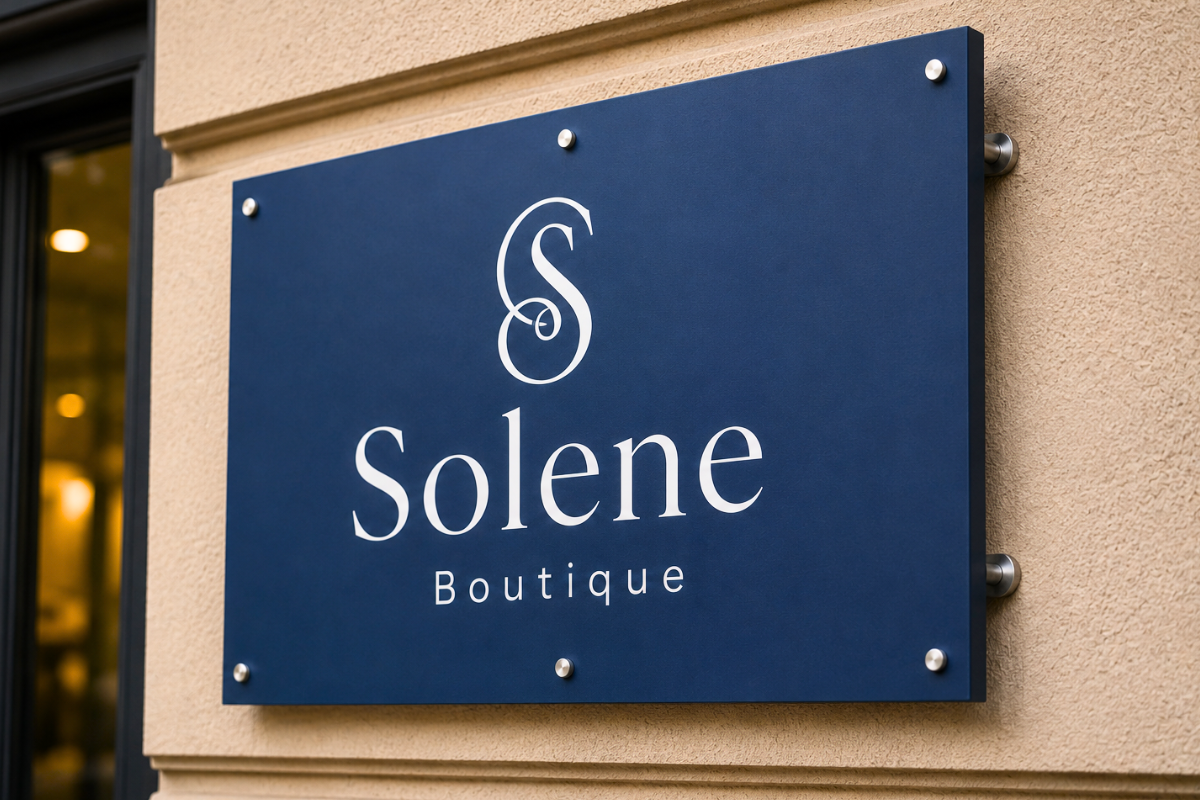
ACP is a sandwich panel, two thin aluminium sheets bonded to a lightweight polyethylene core, which gives it a flat, rigid surface without the full weight of solid metal. It’s become the standard substrate for outdoor building signage and storefront facades where a sign needs to survive years of sun, rain, and temperature swings without warping.
ACP sits in a practical middle ground, more weather-resistant and lower-maintenance than acrylic, less expensive and lighter than solid aluminium. It’s a strong default choice for most commercial shopfront signage where you want durability without the premium cost of solid metal.
3. Solid Aluminium
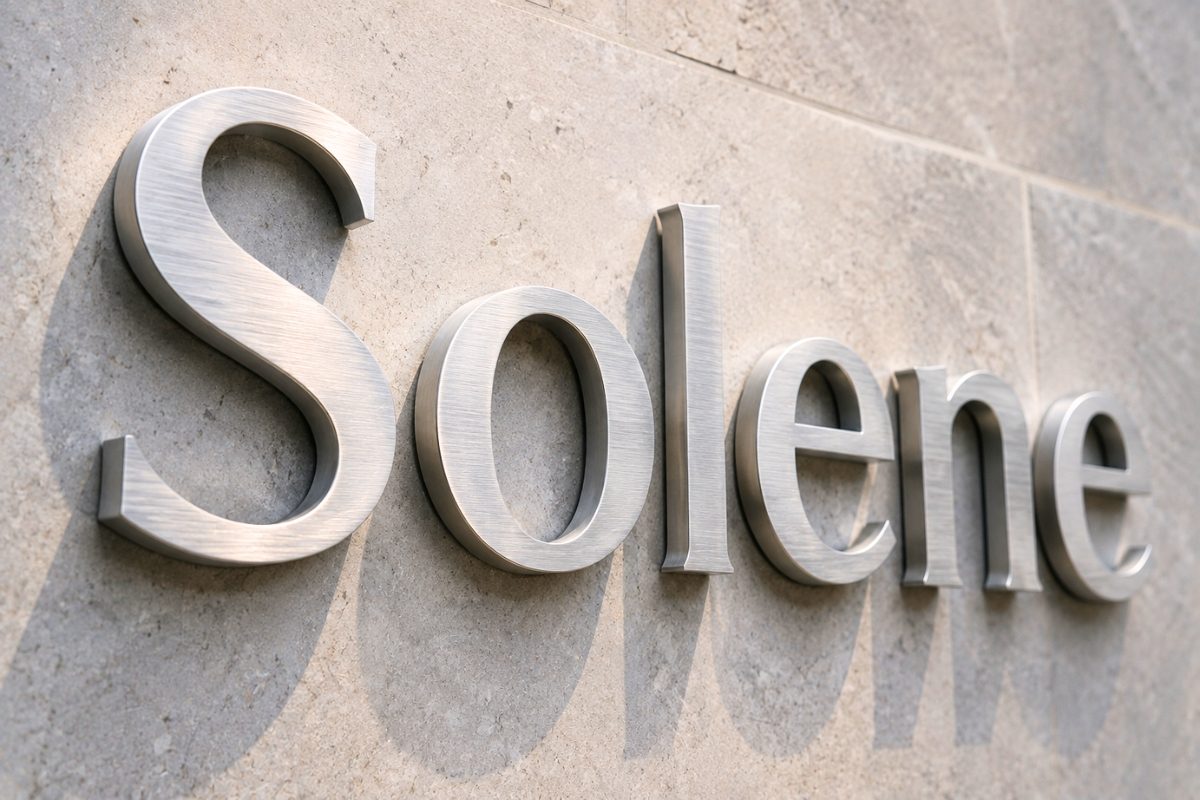
Solid aluminium is the most durable and longest-lasting of the three, highly resistant to rust and corrosion, and able to hold up in harsh outdoor conditions with very little maintenance beyond an occasional wipe-down. It’s the material most often specified for long-term installations, 3D letters, and premium storefront branding meant to last well over a decade.
The trade-offs are weight and cost. Solid aluminium is heavier than ACP, which means sturdier mounting hardware and installation, and it carries the highest upfront cost of the three. It also offers fewer colour and finish options compared to acrylic’s range of tints and gloss levels.
Comparing Them Side by Side
Durability and Weather Resistance
Cost Over Time
Weight and Installation
Look and Finish Options
What This Means for Your Brand
There’s no single best material, the right choice depends on where the sign goes and how long you need it to last. Acrylic suits indoor or illuminated signage where clarity and shape flexibility matter most. ACP suits most outdoor storefront signage where you want durability without a premium price tag. Solid aluminium suits long-term installations and premium branding where upfront cost matters less than a decade-plus lifespan with minimal upkeep.
Not sure which material fits your signage project? Explore Veesham’s signage printing services and we’ll help you match the material to your location and budget.