Stainless Steel 304 vs 316: Which is Best for Outdoor Signage in Dubai

#1 Printing Press in Dubai – Veesham Printing Press

Stainless Steel 304 vs 316: Which Is Right for Outdoor Signage in Dubai’s Climate?

The key difference between 304 and 316 grade stainless steel is the addition of molybdenum, an alloy that significantly improves corrosion resistance, particularly in saline or chloride-exposed environments. For Dubai’s coastal, high-humidity climate, that difference matters more than it would inland, 316 generally holds up better long-term, while 304 can still work depending on how close your signage sits to the coast. Here’s how the two actually compare.
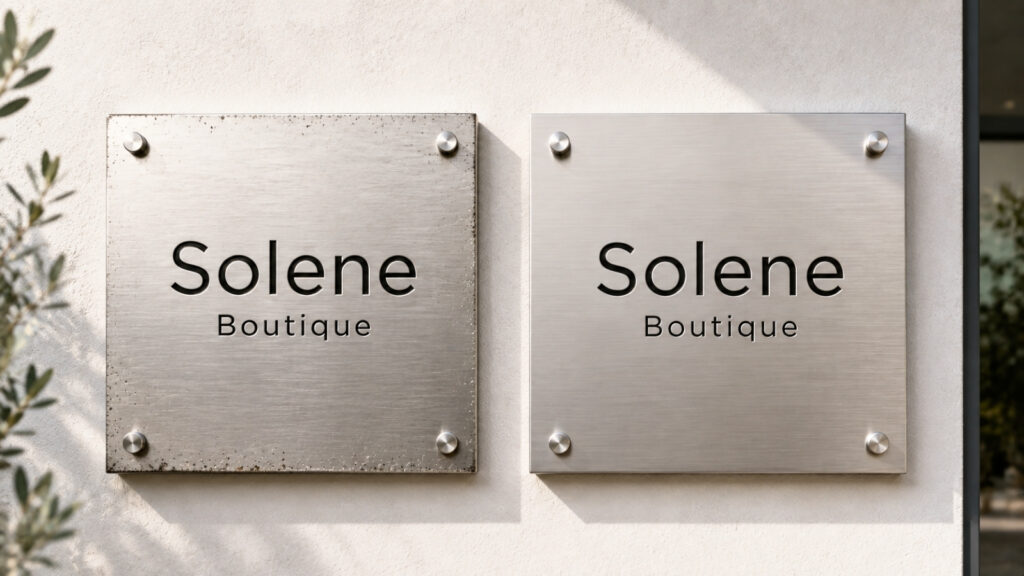
Stainless steel 304 and 316 signage panels compared
Grade 304Grade 316
Molybdenum contentNoneRoughly 2-3%
Best forInland, low-humidity, indoor-adjacent signageCoastal, high-humidity, sea-facing installations
Salt and chloride resistanceModerateSignificantly higher
CostLowerHigher upfront
Long-term maintenanceMore frequent cleaning near the coastLower, better resists pitting corrosion

1. Grade 304 Stainless Steel

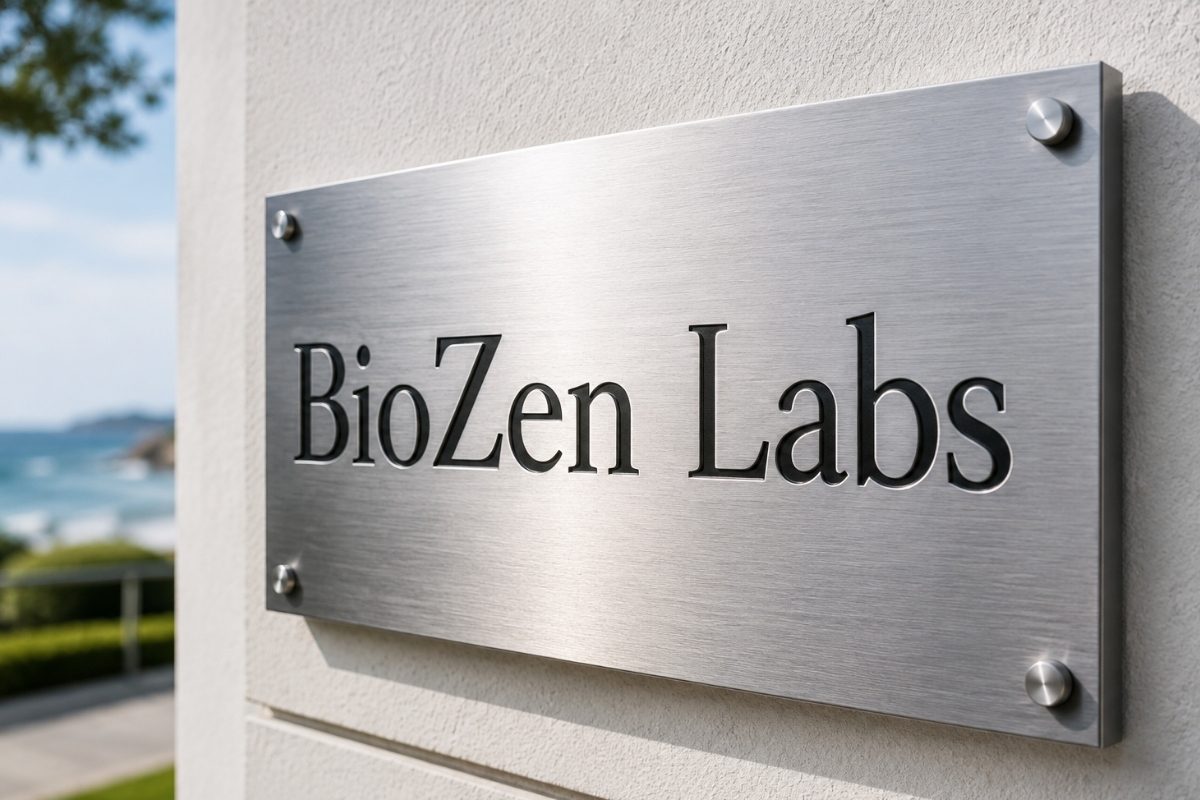
Brushed stainless steel 304 signage panel on a building

304 is the more widely used, general-purpose stainless steel grade, and it performs reliably in indoor, dry, or low-corrosion environments. For signage set back from the coastline or shielded from direct sea air, 304 offers a solid balance of durability and cost, and it’s the grade most commonly specified when budget is a bigger factor than long-term coastal exposure.

The limitation shows up specifically with salt exposure. 304 can develop rust pitting within a few years near saltwater, since it lacks the molybdenum that gives 316 its added resistance. For signage genuinely close to Dubai’s coastline or exposed to sea breeze, this is the trade-off worth weighing against the lower upfront cost.

2. Grade 316 Stainless Steel
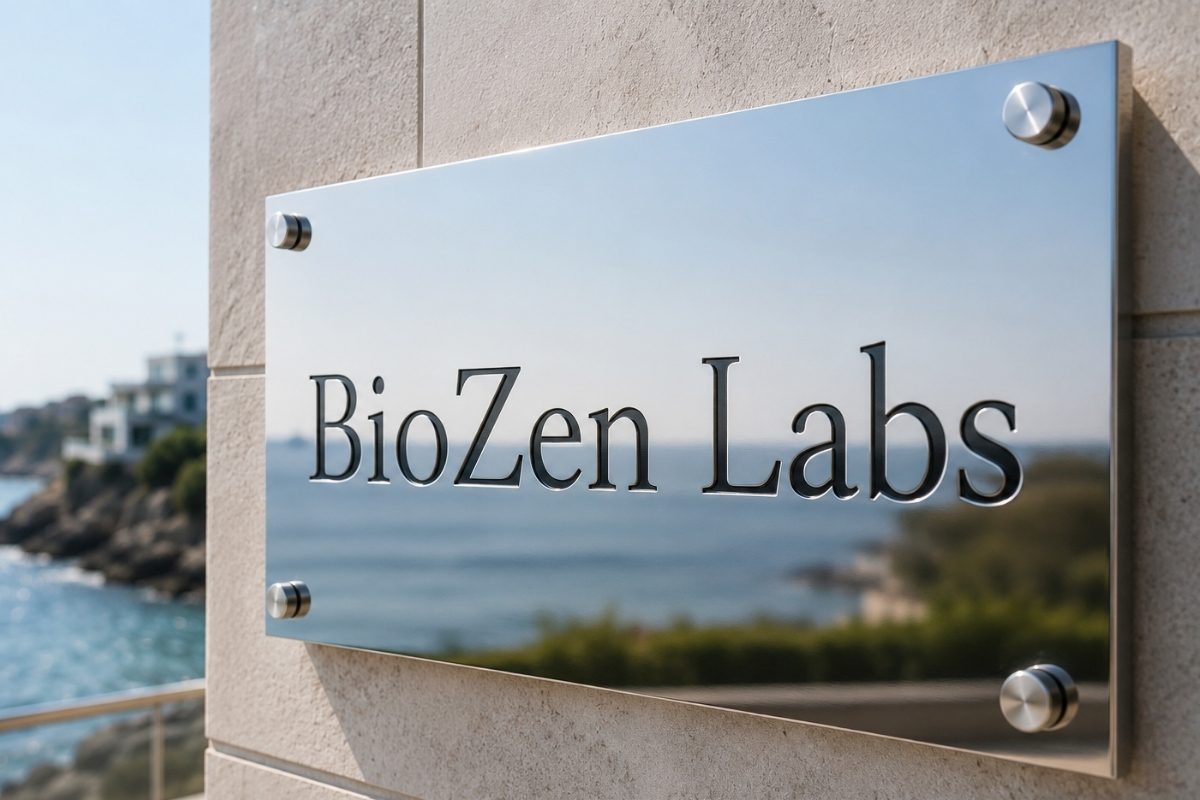
Polished stainless steel 316 signage panel

316 is often called marine-grade stainless steel for a reason, the molybdenum in 316 enhances corrosion resistance specifically in environments rich in salt air and chloride. It’s the grade generally recommended for coastal, marine, and chemical exposure environments where 304 would show signs of wear much sooner.

The trade-off is cost. 316 carries a higher upfront price than 304, but for signage installed near the water or exposed to consistent salt-laden air, the extended service life and lower long-term maintenance often pay that difference back over the sign’s lifespan.

Comparing Them for Dubai's Specific Climate

Salt and Humidity Exposure

Dubai’s coastline and Gulf-facing developments put a meaningful amount of signage within range of salt-laden air, even properties that aren’t directly beachfront can pick up chloride exposure through humid onshore winds. Industry guidance generally treats anywhere within several kilometres of the coast as within reach of meaningful salt exposure, which covers a large share of Dubai’s commercial and retail districts, not just properties directly on the water.

Heat and UV Exposure

Both grades handle Dubai’s high temperatures and intense UV exposure structurally well, stainless steel doesn’t degrade under heat and sun the way some plastics or coated materials can. The corrosion difference between 304 and 316 isn’t driven by heat itself, it’s driven by combined heat, humidity, and airborne salt working together over time.

Cost Versus Location

For signage set well inland, corporate offices, business parks away from the coast, 304 is a reasonable, cost-effective choice. For anything closer to Dubai Marina, JBR, Palm Jumeirah, or other Gulf-facing locations, 316 is the safer long-term investment, since the added upfront cost is smaller than the cost of replacing corroded 304 signage a few years in.

Maintenance Expectations

Neither grade is entirely maintenance-free, stainless steel is stain-less, not stain-proof, and regular cleaning helps both grades perform as expected over time. 316 simply gives you more margin for error if maintenance schedules slip, while 304 near the coast needs more consistent upkeep to avoid early pitting.

What This Means for Your Brand

The right grade depends less on preference and more on where your signage physically sits. If it’s genuinely inland and shielded from sea air, 304 does the job reliably at a lower cost. If it’s anywhere near Dubai’s coastline, waterfront developments, or consistently exposed to humid Gulf air, 316 is worth the higher upfront investment to avoid early corrosion and premature replacement.

Not sure which stainless steel grade fits your signage location? Explore Veesham’s signage printing services and we’ll help you match the grade to your site’s exposure.

Frequently Asked Questions

Not necessarily, signage well inland and away from coastal humidity can perform fine in 304, 316 matters most for locations near the water or with consistent salt air exposure.
Visually, it’s difficult to distinguish the two, a material test report or supplier documentation is the reliable way to confirm the grade used.
Yes, no stainless steel grade is fully maintenance-free, 316 simply resists corrosion longer and needs less frequent attention than 304 in the same environment.

Leave a Comment

Your email address will not be published. Required fields are marked *

Scroll to Top